
Lead Ingot Export Guide: Standards, Packaging and Shipping
 Lead Ingot Export Guide is an essential resource for manufacturers, exporters, and international buyers looking to understand the global trade of lead ingots. From quality standards and export documentation to packaging methods and shipping procedures, this guide explains everything required to ensure safe, compliant, and efficient international delivery.
Lead Ingot Export Guide: Standards, Packaging and Shipping
Introduction
Lead Ingot Export Guide is one of the most important references for companies involved in the international trade of lead products. As global demand for refined lead and lead alloys continues to grow, exporters must comply with strict quality standards, proper packaging requirements, and international shipping regulations.
Whether you are exporting refined lead ingots, lead alloy ingots, or recycled lead products, understanding every step of the export process helps reduce risks, improve customer satisfaction, and ensure successful customs clearance. This Lead Ingot Export Guide covers the essential standards, packaging methods, documentation, and shipping practices required for international markets.
?What Is a Lead Ingot
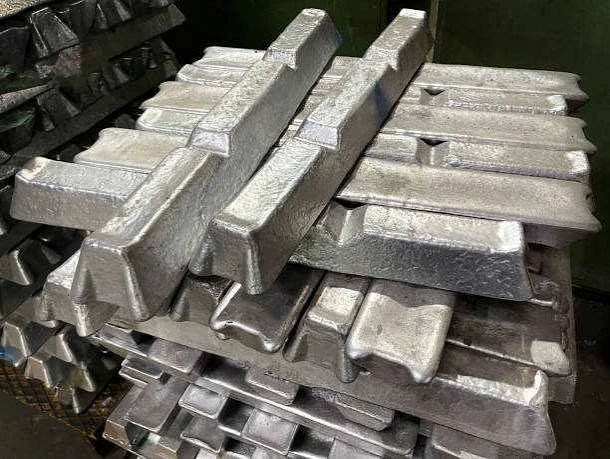
A lead ingot is a cast block of refined or alloyed lead produced for industrial applications. These ingots are widely used in battery manufacturing, radiation shielding, cable production, construction materials, and various heavy industries.
Lead ingots are generally manufactured from either:
Primary lead extracted from mining operations
Recycled lead recovered from industrial scrap and used batteries
Depending on customer requirements, lead ingots can be supplied in different purity grades and alloy compositions.
International Standards for Lead Ingot Export
Meeting recognized international standards is essential for exporting lead products.
Chemical Purity Standards
:Export-quality lead ingots should include certified chemical analysis showing
Lead (Pb) purity
Antimony (Sb)
Tin (Sn)
Copper (Cu)
Bismuth (Bi)
Arsenic (As)
Other trace elements
Industry Standards
:Common international specifications include
ASTM Standards
ISO Quality Management Systems
EN Industrial Standards
Customer-specific technical specifications
Providing laboratory-certified analysis reports increases buyer confidence and simplifies international transactions.
Types of Lead Ingots for Export
Different industries require different grades of lead.
Refined Lead Ingots
.Suitable for battery production, radiation shielding, and chemical industries
Lead Alloy Ingots
:Produced by adding elements such as
Antimony
Calcium
Tin
Selenium
Silver
Recycled Lead Ingots
Environmentally sustainable products manufactured from recycled lead while maintaining industrial quality standards
Packaging Standards for Lead Ingots
.Proper packaging protects products during transportation and prevents damage
:Common packaging methods include
Wooden pallets
Steel strapping
Shrink wrapping
Protective corner supports
Moisture-resistant covering
Export-grade labeling
Each pallet should include:
Product identification
Batch number
Gross and net weight
Manufacturer information
Country of origin
Shipping Methods
.Lead ingots are transported worldwide using several logistics options
Sea Freight
.The most economical method for bulk international shipments
Rail Transportation
.Suitable for neighboring countries and large-volume industrial deliveries
Truck Transportation
.Common for regional exports and cross-border deliveries
Multimodal Shipping
.Combines sea, rail, and road transportation to optimize delivery costs
Export Documentation
.Accurate documentation ensures smooth customs clearance
:Typical export documents include
Commercial Invoice
Packing List
Certificate of Origin
Bill of Lading
Certificate of Analysis (COA)
Insurance Certificate
Export Declaration
Quality Inspection Report
Quality Control Before Export
.Professional exporters inspect every shipment before dispatch
:Key quality checks include
Chemical composition
Weight verification
Surface quality
Dimensional inspection
Packaging inspection
Label verification
.Maintaining strict quality control minimizes customer complaints and returns
Safety Considerations
Lead is a heavy metal that requires responsible handling
Exporters should
.Follow workplace safety regulations
.Prevent environmental contamination
.Use certified packaging materials
.Ensure workers use appropriate personal protective equipment (PPE)
.Comply with hazardous material transportation regulations where applicable
Choosing a Reliable Lead Ingot Supplier
:When selecting a supplier, buyers should evaluate
Manufacturing experience
Production capacity
International certifications
Laboratory testing capabilities
Consistent product quality
Export experience
Delivery performance
Customer support
Benefits of Working with Professional Exporters
:Professional lead exporters provide
Consistent product quality
International documentation
Competitive pricing
Reliable logistics
Technical support
Flexible production
On-time delivery
Future of the Global Lead Ingot Market
The demand for lead ingots continues to grow due to expanding battery manufacturing, renewable energy storage systems, industrial infrastructure, and recycling initiatives. Companies investing in sustainable production, high-quality refining, and international compliance are expected to remain competitive in global markets.
Conclusion
The Lead Ingot Export Guide demonstrates that successful international trade depends on more than simply manufacturing quality products. Exporters must meet international standards, provide certified documentation, implement secure packaging, and select reliable shipping methods
Companies that maintain high production standards and efficient logistics can build long-term relationships with global customers while expanding their presence in international markets
Frequently Asked Questions (FAQ)
What is the most common international standard for lead ingot exports
Most buyers request compliance with ASTM specifications, ISO-certified manufacturing processes, and detailed chemical analysis reports
How are lead ingots packaged for export
Lead ingots are generally secured on wooden pallets using steel straps, shrink wrap, protective covers, and export labels to ensure safe transportation
Which shipping method is best for exporting lead ingots
Sea freight is the preferred option for large international shipments because it offers the most cost-effective transportation solution
What documents are required for lead ingot export
Typical documents include a Commercial Invoice, Packing List, Certificate of Origin, Bill of Lading, Certificate of Analysis, and export declarations
Why is quality control important before shipping
Quality inspections verify purity, weight, packaging integrity, and compliance with customer specifications, reducing the risk of shipment rejection or delays